
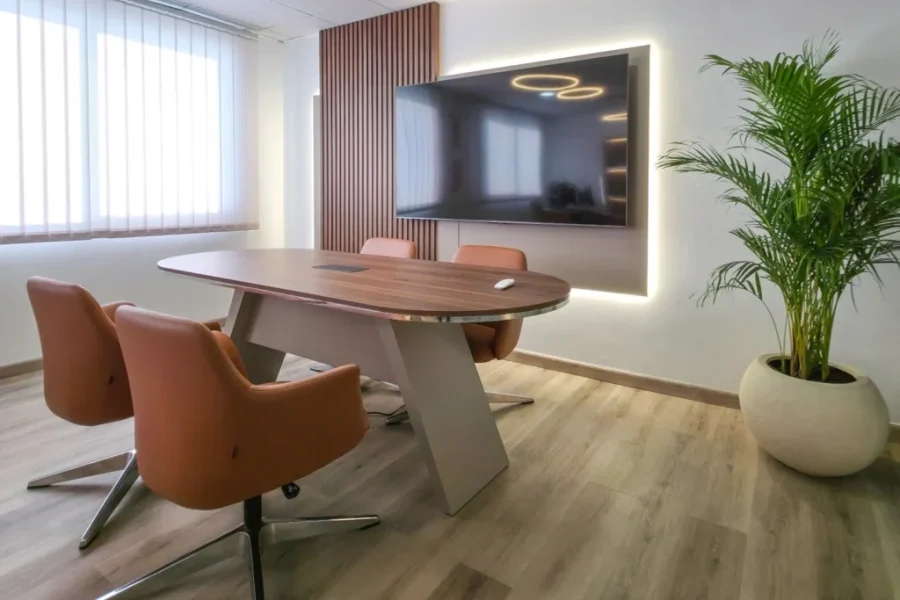
How to Maximize Productivity Through Smart Fit-Out Design
Creating a productive workspace isn’t just about adding stylish furniture or painting the walls in appealing colors—it’s about designing a smart fit-out that helps people work better, faster, and more comfortably. The right interior layout, lighting, furniture, and flow can transform any office into a high-performance environment where employees feel motivated and empowered.
In today’s corporate world, smart fit-out design has become a strategic investment rather than a luxury. Whether you are building a new office or renovating an existing one, your design choices can significantly impact productivity, focus, collaboration, and even employee well-being.
Let’s explore how smart fit-out planning can enhance productivity and create a workspace that truly works for you.
1. Start with Purpose-Driven Space Planning
Every productive workspace begins with an efficient layout. A well-planned office fit-out should reflect your company’s workflows and employee needs.
Why it matters
-
Reduces unnecessary movement
-
Improves communication
-
Supports different working styles
Tips
-
Place collaborative zones near teamwork-centric departments
-
Keep focus areas away from noisy spaces
-
Allocate the right workstation sizes based on job roles
2. Use Ergonomic and Functional Furniture
Productivity is deeply connected to employee comfort. Ergonomic workstations, adjustable chairs, and functional desks can reduce fatigue and improve performance.
Smart Furniture Tips
-
Use adjustable-height desks for flexibility
-
Select ergonomic chairs with lumbar support
-
Choose modular or customized workstations to suit task needs
Bonus
Custom-built furniture provides both style and function—perfect for modern offices aiming for comfort and aesthetics.
3. Optimize Lighting for Better Focus
Lighting is one of the most overlooked elements of fit-out design, yet it has major impact on mood and performance.
Productivity-Boosting Lighting Ideas
-
Maximize natural light
-
Use soft ambient lighting for a calm atmosphere
-
Add task lighting at workstations
-
Avoid harsh fluorescent lighting
Studies show that proper lighting can reduce eye strain and increase focus significantly.
4. Enhance Acoustics for Better Concentration
Open offices are popular, but noise can be a real productivity killer.
Acoustic Solutions
-
Acoustic panels on walls or ceilings
-
Upholstered furniture for sound absorption
-
Quiet zones or phone booths for calls
-
Carpets and soft partitions to reduce echo
Good acoustic design ensures teams collaborate freely without distracting others.
5. Integrate Smart Storage Solutions
Clutter directly impacts productivity. A well-designed fit-out includes sleek and accessible storage.
Ideas
-
Built-in cabinets
-
Under-desk storage
-
Shared shelving units
-
Concealed storage walls
A tidy office boosts clarity and mental sharpness.
6. Create Dedicated Zones for Different Tasks
Modern offices work best with activity-based design, providing various zones to suit different tasks.
Types of Zones
-
Collaboration zones for group work
-
Focus rooms for deep work
-
Meeting rooms equipped with smart technology
-
Breakout areas to encourage relaxation and creativity
These zones support both productivity and employee well-being.
7. Use Technology to Support Efficiency
Smart offices use technology to simplify work and improve flow.
Tech Ideas for Fit-Out Planning
-
Smart meeting room booking systems
-
Wireless charging stations
-
Fast and organized cable management
-
Soundproof video conferencing pods
Integrating tech into your design ensures the office is future-ready.
8. Incorporate Biophilic Design
Nature-inspired elements have been proven to boost mood and creativity.
Biophilic Elements
-
Indoor plants
-
Natural materials like wood and stone
-
Green walls
-
Large windows with outdoor views
Biophilic interiors create a refreshing, healthier environment that supports productivity.
9. Promote Mobility and Flexibility
The best workspace fit-outs encourage movement, flexibility, and adaptability.
How to Do This
-
Use modular furniture
-
Provide flexible meeting areas
-
Create open spaces that can be reconfigured easily
-
Support hybrid work with hot-desking options
These features allow your office to evolve with your team’s needs.
10. Prioritize Employee Comfort & Wellness
Happy employees are productive employees.
Wellness-Focused Fit-Out Features
-
Relaxation rooms
-
Comfortable breakout lounges
-
Healthy pantry setups
-
Adjustable workstation settings
Fit-out designs that support wellness improve performance and reduce stress.
Conclusion
A smart office fit-out is more than just décor—it’s a strategic tool that enhances productivity, supports company culture, and improves the overall workplace experience. By focusing on ergonomics, layout, acoustics, lighting, furniture, and well-being, businesses can create a workspace where teams thrive.
Whether you’re designing a small office or a large corporate facility, investing in smart fit-out solutions will always pay off with better performance, happier employees, and a more efficient workflow.
FAQs
1. What is a smart fit-out design?
A design approach that integrates functionality, ergonomics, technology, and aesthetics to create a productive workspace.
2. How does lighting affect workplace productivity?
Good lighting reduces eye strain, improves focus, and boosts energy levels, leading to higher productivity.
3. Can customized furniture improve office productivity?
Yes, customized workstations and ergonomic furniture enhance comfort and efficiency, improving overall performance.
4. What should be included in a productive office layout?
Dedicated zones for focus, collaboration, meetings, and relaxation, along with ergonomic furniture and strategic storage.
5. What is the most important factor in fit-out design?
Balancing functionality with aesthetics—ensuring employees have a comfortable, efficient, and inspiring place to work.